
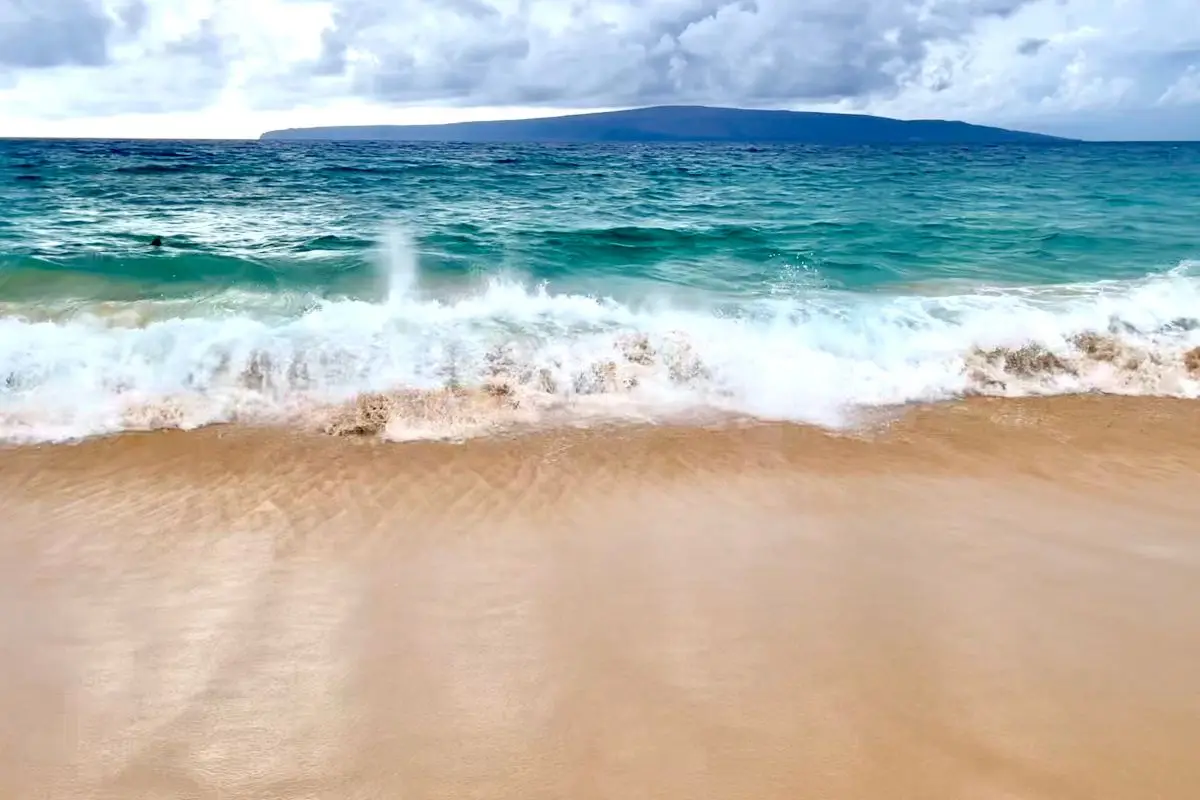
When we first landed in Maui, I’ll be honest—I was nervous. We had planned a road trip that felt ambitious, maybe even a little reckless. The Road to Hana is famous for a reason, but what we heard most often was, “It’s crowded,” and “It takes forever.” So we made a decision that completely changed the experience for us: we drove it backwards.
Instead of starting in Paia like most visitors, we headed toward Kula first and worked our way around the quieter south side of the island toward Hana before eventually ending back near Paia. It meant tackling the narrowest and more remote roads first, but honestly? I would do it that way again in a heartbeat.
The tour buses and long caravans of rental cars were going the opposite direction, which gave us space to actually enjoy the drive. And the drive itself? Absolutely unforgettable.


The Backwards Road to Hana
The Road to Hana is known for its 600+ curves, dozens of one-lane bridges, lush rainforest scenery, and endless waterfalls. But what surprised me most was how different every stretch of the road felt.
One moment we were driving through misty jungle with bamboo and eucalyptus trees towering overhead, and the next we’d round a corner to sweeping coastal views with bright blue ocean crashing against volcanic cliffs.

We rented a sturdy SUV—not because you absolutely need four-wheel drive, but because we preferred having something with a little more clearance and stability, especially after recent rain. If you’re planning to drive the full loop, it definitely gave us peace of mind.


And the waterfalls? We genuinely tried to count them at first.
That lasted maybe thirty minutes.
Waterfall after waterfall appeared around nearly every bend, and eventually we gave up trying to keep track. We stopped at several along the way, including Wailua Falls, Upper Waikani Falls, and smaller unnamed falls that felt just as magical.
Some required a short hike. Some involved climbing over slippery rocks or wading through shallow water. Others were simply there beside the road, impossible to miss. Every single one felt spectacular.
One of my favorite surprises along the drive was the eucalyptus rainbow trees. Their trunks looked hand-painted in layers of green, orange, rust, and purple. It almost didn’t feel real.


Stops Worth Slowing Down For
One thing I loved about driving the Road to Hana ourselves was being able to stop whenever something caught our attention.
We wandered through lava tubes, grabbed fresh coconuts from roadside stands, and pulled over constantly just to take in the views.

Waianapanapa State Park was easily one of the most mesmerizing places on the island. The contrast there is unreal—the vivid green vegetation spilling like carpet over sharp black volcanic rock while waves crash against the shoreline below. I could have sat there for hours just watching the ocean.
And of course, the famous black sand beach absolutely lives up to the hype.


Another favorite stop was Kaihalulu Red Sand Beach. The deep red sand against the teal water looked almost unreal, like somebody had turned the saturation all the way up. It’s one of those places that truly feels hidden away.
We also loved exploring Hana Bay Beach Park, Hamoa Beach, and Koki Beach. Each beach had a completely different personality, which is something I loved about Maui overall. No two places felt the same.
At the very end of the Road to Hana—technically the beginning for us since we drove it backwards—we explored the Kahakai Trail in the Kīpahulu District of Haleakalā National Park. The coastal views there are stunning and dramatic, with waves crashing against lava rock and endless ocean stretching out beyond you.
Another unexpected highlight was stopping at the Hana Gold Cacao Plantation. It’s Maui’s original branch-to-bar chocolate farm, locally owned, and absolutely worth the stop. We sampled fresh chocolate, explored the farm, and honestly… the chocolate was AMAZING.


The Ching Store: The Unexpected Heart of the Trip
One of our most memorable stops wasn’t a famous beach—it was a gas station. The Ching Store in Kula feels like stepping back in time with its vintage pumps and handwritten signs, but the real magic was Grandma Ching.
When we visited in 2022, she was 88 years old and still running the shop from behind an old wooden desk. Surrounded by family photos, she carefully hand-wrote our receipts and placed them on a metal spike—a scene of “Old Hawaii” that felt wonderfully unpolished and real. We stopped for snacks but stayed for an hour just chatting like neighbors. It was a powerful reminder that travel isn’t just about the scenery—it’s about slowing down long enough to actually connect with the people who call it home.

Maui’s Softer Side
After the intensity and adventure of the Road to Hana, the south and west sides of Maui felt like exhaling. The beaches there were calmer, quieter, and slower paced.
While Wailea Beach is undeniably beautiful, we found ourselves gravitating toward smaller stretches like Poolenalena Beach and Palauea Beach instead. Less crowded. More peaceful. Places where you could truly relax.
South Maui’s Pa’ako Beach, it’s tucked away behind a lava rock wall, provides that ideal, calm ‘Secret Cove’ atmosphere that feels like stepping into a postcard. Pa’ako Beach is one of the most photographed spots on the island. Tip: go early in the morning if you want a “secluded” feel for photos.


The calmer waters on this side of the island made it especially enjoyable after spending time along Maui’s rugged windward coast.
On the west side, we explored everything from the golden sands of Kāʻanapali Beach to the dramatic Nakalele Blowhole. Watching the vivid blue ocean force water violently through the lava rock was incredible—and definitely a reminder not to get too close.
Everywhere we drove, Maui felt impossibly colorful.
Bright turquoise water. Black lava rock. Red sand. Deep green jungle. Golden beaches. Waterfalls everywhere.
It honestly felt like the island was showing off.


Practical Tips for Driving the Road to Hana
- Rent a sturdy SUV if possible, especially if you plan to drive the full loop and check their rental agreement. Some standard car rental contracts technically “prohibit” driving that unpaved stretch, even though it’s beautiful.
- Start early and take your time. The Road to Hana is not a drive you want to rush.
- If you’re comfortable with narrow roads and remote stretches, consider driving it backwards like we did.
- Bring extra water and snacks. Services can be sparse along parts of the route.
- Check weather and road conditions beforehand, especially after heavy rain.
- Wear shoes you don’t mind getting muddy.
- Stop often. Some of the best moments happen at the unplanned pull-offs.
- Don’t feel pressured to see every “must-see” stop. Some of our favorite moments came from random beaches, roadside waterfalls, and quiet scenic overlooks.
More Maui Secrets & Safety
- Heed the “Chocolate Rivers”: During heavy rain, runoff can turn roads into muddy rivers. Stay off the roads during flash flood warnings to keep yourself safe and leave paths clear for local emergency services.
- Don’t Overlook the Banyan: The bamboo forest is famous, but keep an eye out for the massive Banyan tree early on the Pipiwai Trail—its sprawling roots are straight out of an adventure movie.
- Pack Small Bills for Snacks: The best food on the island is found at roadside stands. Bring cash for local fruit and banana bread (soooo yummy!!) to support the community while you fuel your adventure.
- Respect the Land: Always stay on marked trails and follow all posted signage to help preserve Maui’s delicate ecosystems for future travelers.


What Maui Taught Us
After a week on Maui, I realized something that shaped the rest of our Hawaii trip.
The best travel experiences usually aren’t the perfectly planned ones.
They’re the moments where you get a little lost. The unexpected conversations. The roadside fruit stand. The muddy waterfall hike. The random beach you almost skipped. The gas station you never planned to remember.
Maui reminded us that travel doesn’t always need to be about accomplishing a checklist.
Sometimes the best thing you can do is slow down enough to actually see where you are.
And honestly? It’s a lesson we’ve carried with us long after the trip itself.
Have you explored Maui’s quieter side? I’d love to hear about your favorite hidden gems or unforgettable stops in the comments—we’re always looking for ideas for the next adventure.
Ready to plan your own unforgettable Maui adventure?
I’d love to help you design a trip that fits your travel style.



Leave a Reply